

Pam Fichtner, BA, RMT | Breast and Chest Health Educator | Founder, Sephira Healing | Saskatoon, Saskatchewan
TL;DR: Most massage therapy stops at the collarbone, even though the breast and chest can carry pain, swelling, scar tissue and lymphatic concerns. After nearly 30 years of doing this work, Pam Fichtner now teaches other Registered Massage Therapists to offer breast and chest massage therapy safely, because one practitioner can't meet every person's needs. The article explains what the therapy is, why an RMT might recommend it, what happens in a session, and what informed, ongoing consent should look like. It's grounded in traditional practice and research, and it rests on proper training, clear scope and the client's right to change their mind at any time. Pam's next RMT training course is worth 14 continuing education credits.
Most massage therapy stops at the collarbone. The breast and chest are treated as separate from the rest of the body, even when pain, swelling, scars, restricted movement or lymphatic concerns affect the area.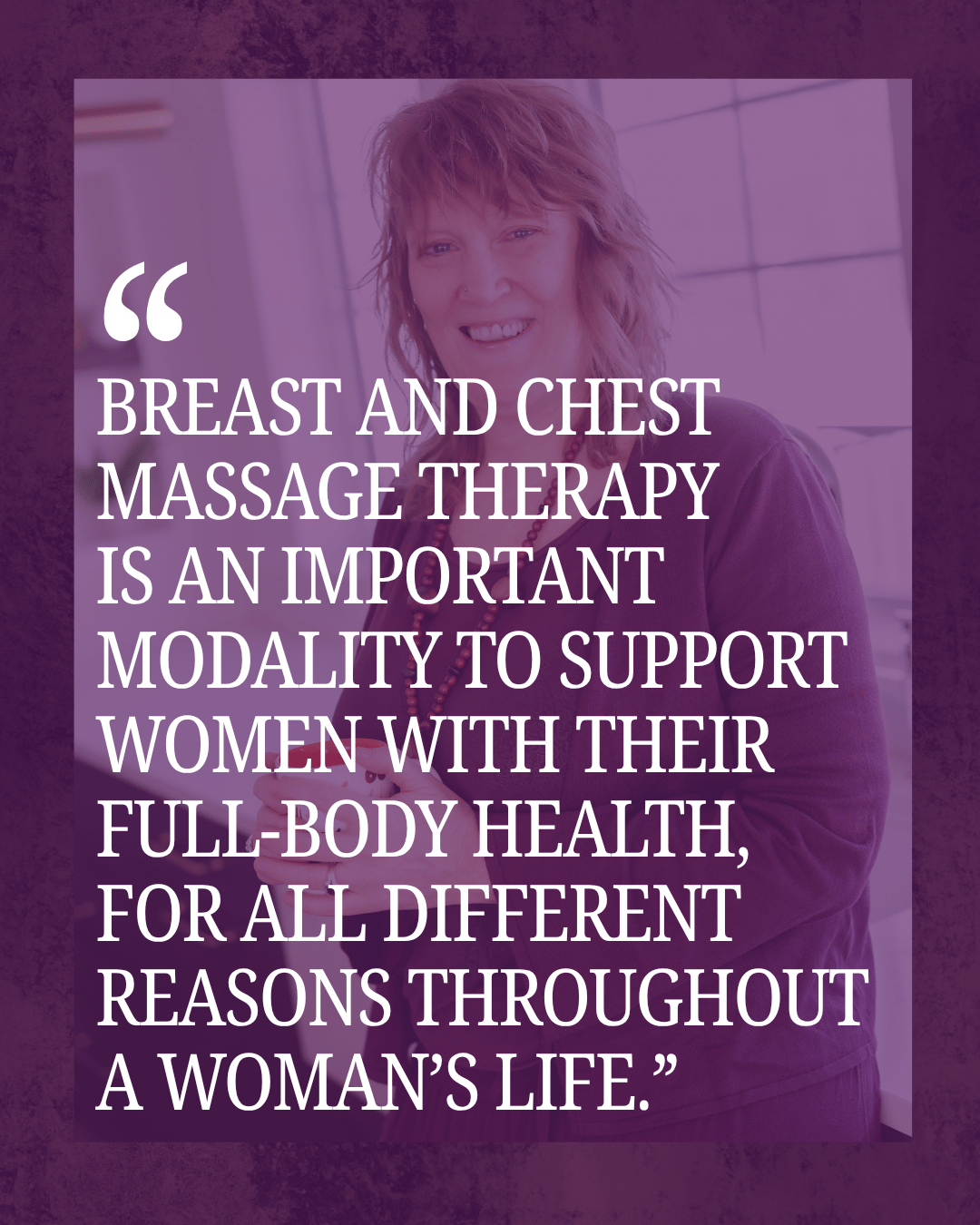
I have spent almost 30 years working to change that.
I decided to teach other Registered Massage Therapists because one practitioner cannot meet every person’s needs. More RMTs need the clinical knowledge, hands-on skills and confidence to offer this work safely. Clients also need to know what breast and chest massage therapy is, why it may be recommended and what consent should look like throughout a session.
Women want clear information and trained support
Our recent survey of 50 women showed that the interest is there, 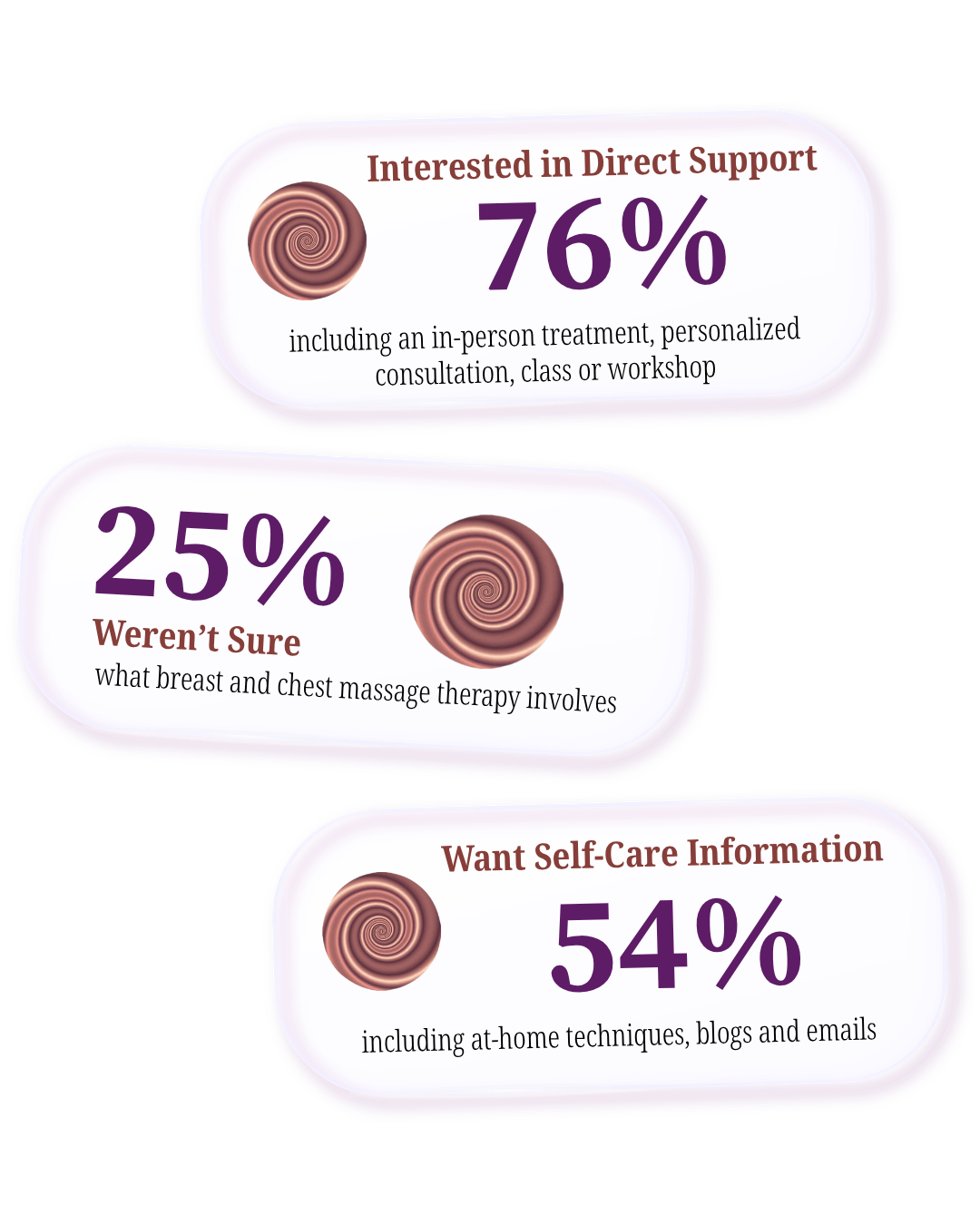 but so are gaps in awareness and trust.
When asked, “Before today, were you aware that breast/chest discomfort (swelling, tenderness, heat) can be linked to hormones and the lymphatic system?” 48% said yes, 29% said no and 23% said somewhat.
When asked, “What has stopped you from trying breast or chest-focused self-care or treatment?” 25% selected, “I’m not sure what it involves.”
When asked what would make them more likely to try lymphatic drainage or breast/chest massage, 33% selected knowing what to expect in a session and 33% selected practitioner trust and credentials.
The survey also found that 76% were interested in direct support, including an in-person treatment, personalized consultation, class or workshop. Another 54% wanted self-care information, including at-home techniques, blogs and emails. Many wanted both.
That is exactly why practitioner education matters. Women should not have to search for answers without knowing which information is reliable. They should have access to RMTs who can explain the work, stay within their scope, ask for informed consent and recognize when medical assessment is needed.
Breast and chest massage therapy has roots and evidence
Breast massage is not a new wellness trend. “Breast and lactation massage is embedded in long-standing traditional medicine, most clearly in East Asia.” Breast care has also had a long place within midwifery, lactation support and post-surgical recovery.
The strongest research currently focuses on lactation and postpartum breast care. A systematic review reported: “The meta-analysis showed that breast massage, along with routine breast care, resulted in a 3.52-point reduction in pain on a 10-point visual analogue scale.”
Research does not mean every technique is appropriate for every person. It means breast and chest massage therapy deserves the same clinical reasoning used in the rest of massage therapy: clear indications, contraindications, training, consent and appropriate pressure.
Why I use the word therapy
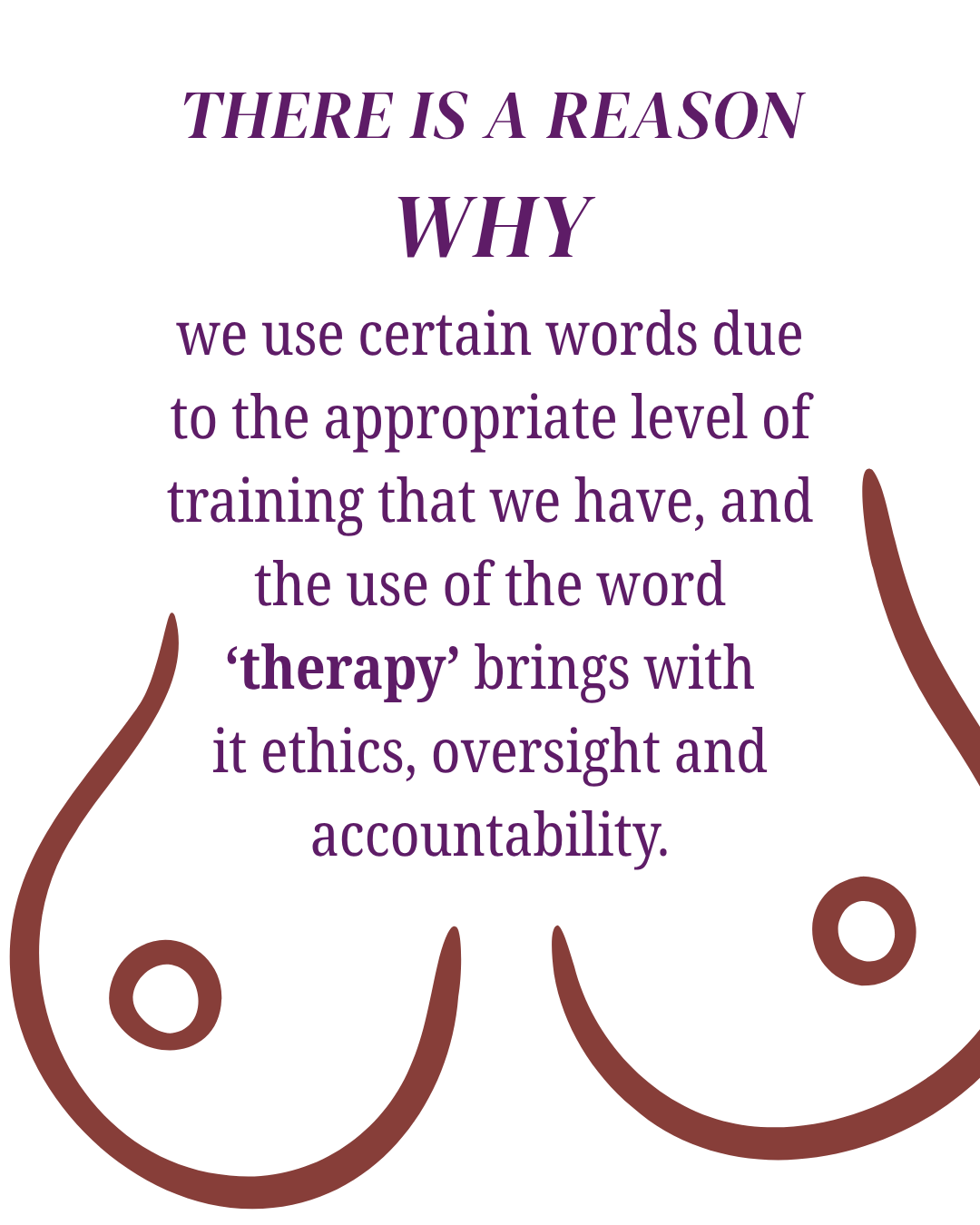
Breast Massage Therapy includes breast massage techniques that focus on muscles around the breast, as well as the breast tissue itself; lymphatic drainage techniques when the therapist is trained in them and they are indicated; and scar tissue release after breast surgery when it is indicated.
What is breast and chest massage therapy?
Breast and chest massage therapy is a clinically indicated form of massage therapy that uses specific techniques on the soft tissue of the breast, chest and surrounding muscles. Depending on the client’s needs and the RMT’s training, it may include massage therapy, lymphatic drainage and scar tissue release.
Treatment is based on an assessment and a clear reason for working in the area. It may focus on the breast tissue itself, the chest wall, healed scars, the underarm or surrounding muscles. Only the areas discussed and agreed to are treated. Breast and chest massage therapy is never automatically included in a full-body massage.
What happens during a breast and chest massage session?
Before treatment starts, the RMT should ask about health history, symptoms, surgeries and what the client wants help with. The RMT should explain what they recommend, the exact area they plan to treat, how the client will be draped and what the techniques may feel like.
The client can remain covered except for the specific area being treated. Pressure and positioning can be adjusted for comfort. The RMT should check in throughout the session and provide home-care education or a referral when a concern falls outside their scope of practice.
Why might breast and chest massage therapy be recommended?
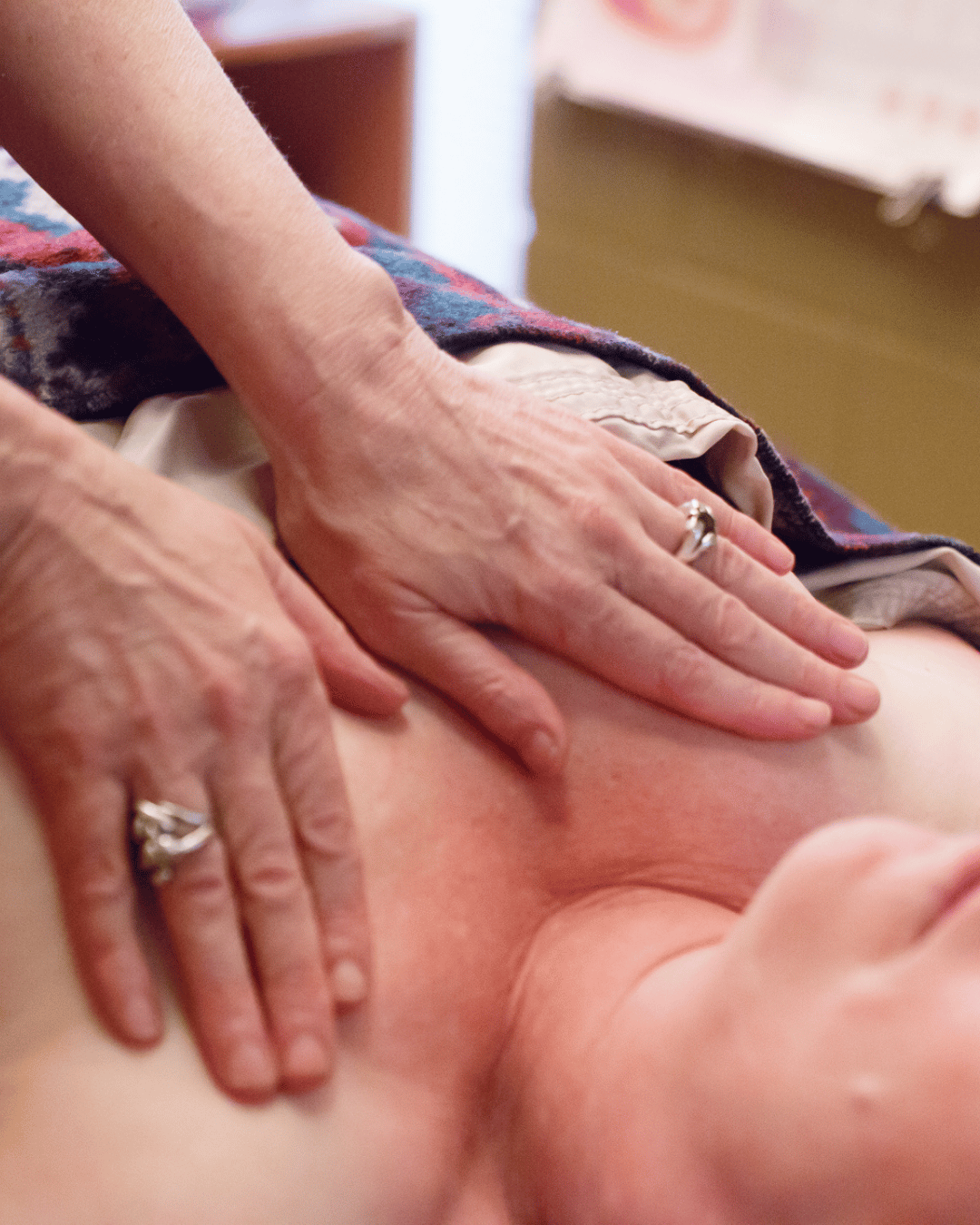 An RMT may recommend breast and chest massage therapy when an assessment shows that treatment could support comfort, mobility, circulation, lymphatic flow or the movement of healed tissue.
The reason should always be explained clearly and connected to the client’s goals.
● Breast or chest tenderness, discomfort or sensitivity.
● Muscle tension through the chest and restrictions that affect comfortable upper-body movement.
● Swelling or lymphatic concerns, when treatment is appropriate and the RMT has specialized training.
● Healed scar tissue or tissue restriction after breast reduction or enlargement, implants or explants, lumpectomy, mastectomy, reconstruction or gender-affirming top surgery.
● Changes during pregnancy or breastfeeding, when the treatment is within the RMT’s scope and referral or collaboration is arranged when needed.
A recommendation is not a requirement, and massage therapy is not used to diagnose a breast condition or rule out cancer. A new lump, unexplained swelling, redness or heat, nipple or skin changes, fever, or symptoms that are getting worse should be assessed by an appropriate medical provider before massage therapy continues.
What should consent look like in every session?
Consent should be informed, specific, voluntary and ongoing. It should be discussed before treatment begins and revisited whenever the treatment plan, area, pressure, position or draping changes.
● The RMT explains why treatment is being recommended, the exact area and techniques involved, the expected benefits, possible risks and available alternatives.
● The RMT explains draping and whether direct breast contact or uncovering the nipple or areola is clinically needed.
● The client has time to ask questions and can agree to all, part or none of the proposed treatment.
● The client can stay clothed or covered, request a change, pause treatment or stop at any time.
● The RMT checks in during treatment, watches for changes in comfort and documents the consent discussion.
● Consent from a previous visit never creates automatic consent for today’s treatment.
Your RMT should get written consent if the nipple or areola will be uncovered. And manual lymph drainage of the breast requires appropriate specialized training and additional written consent.
But even with a signed form, it doesn’t replace a clear conversation. A client’s answer can change at any point in the session.
I also use breast and chest massage therapy because the language needs to include people who have had mastectomies or gender-affirming top surgery and may no longer identify with the word breasts.
“Safety and consent are key.”
Teaching started with wanting better care
I learned about breast massage while attending the West Coast College of Massage Therapy. I wanted to learn more, so a colleague and I sponsored Debra Curties, author of Breast Massage: The How-To Book for Massage Therapists, to teach her Breast Massage Class.
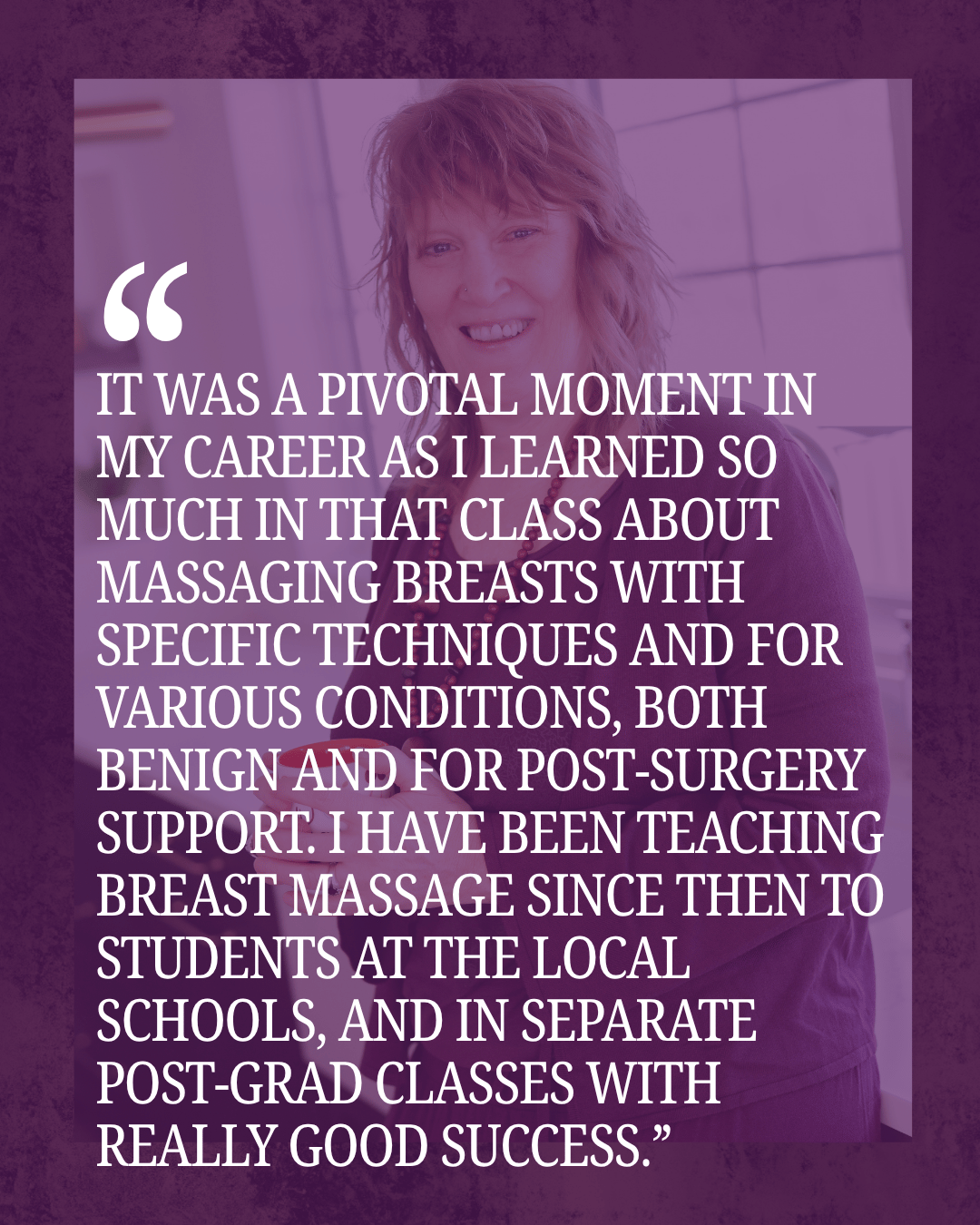
My teaching has continued to grow alongside my clinical work, oncology massage education, research involvement and advocacy. I have also mentored students over the years, both formally and informally.
Teaching a course is not only about demonstrating a technique. It is about helping RMTs understand how to think through a treatment, communicate clearly and work with an area that can carry vulnerability, shame, fear or trauma.
What RMTs learn in the course
● Hands-on clinical techniques
● Breast and chest anatomy, physiology and lymphatic considerations
● Clinical indications, contraindications and appropriate referrals
● Draping, boundaries and informed consent
● A trauma-informed approach
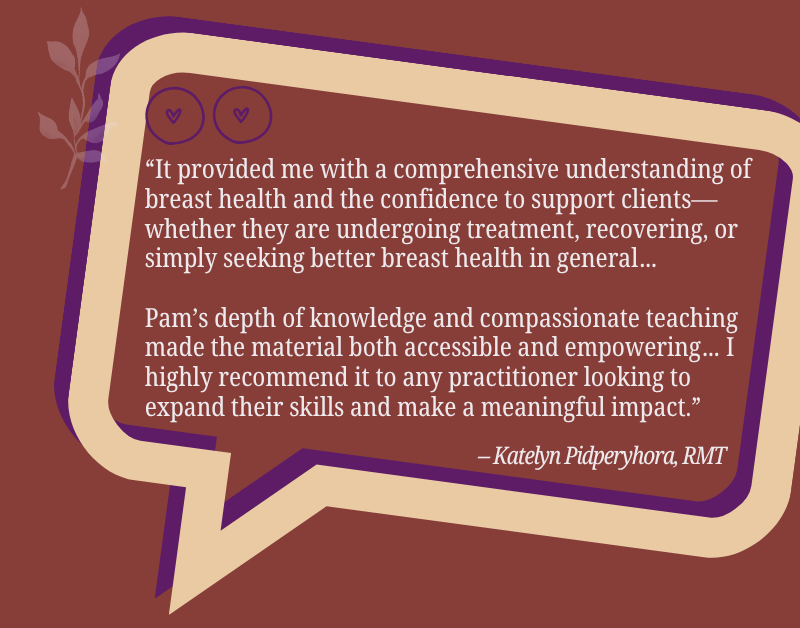
● Ways to support clients undergoing treatment, recovering or seeking better breast and chest health
Breast and chest massage therapy FAQ
What is breast and chest massage therapy?
It is a clinically indicated form of massage therapy for the soft tissue of the breast, chest and surrounding muscles. It may include massage therapy, lymphatic drainage or scar tissue release when the RMT is trained and the treatment is appropriate.
Why might an RMT recommend breast and chest massage therapy?
An RMT may recommend it to support comfort, upper-body movement, circulation, lymphatic flow or the movement of healed scar tissue. The recommendation should follow an assessment and be connected to the client’s goals.
Does treatment always include direct breast contact?
It does not have to. Treatment may focus on the chest wall, surrounding muscles, scars or lymphatic pathways. Direct breast contact should happen only when it is clinically indicated, clearly explained and specifically consented to.
Does consent need to be discussed at every visit?
Yes. Consent is an ongoing process, and a client’s needs or comfort can change from one visit to the next. The RMT should review the plan and confirm consent before each treatment.
Can a client change their mind during treatment?
Yes. A client can ask for a change, pause treatment or stop at any time. The RMT should respond right away and without pressure.
When should a client speak with a medical provider first?
A new lump, unexplained swelling, redness or heat, nipple or skin changes, fever, or symptoms that are getting worse should be medically assessed. An RMT should also refer when a concern is outside their scope of practice.
The next Breast and Chest Massage Therapy training
You can find all my upcoming training sessions under the classes menu of my website at The RMT Training Course provides 14 continuing education credits.
To join the waitlist for a future session,
Breast and chest tissue is part of the body. RMTs deserve the education to work with it responsibly, and clients deserve informed choices about their care.
Work with me
Sephira Healing
Pam Fichtner, BA, RMT
Saskatoon, SK
306-230-7407
New clients: please email or text before booking so we can find the right fit for what you're carrying.
About the Author
 Pam Fichtner, BA, RMT is an educator, speaker, Registered Massage Therapist, mom of two, and founder of Sephira Healing in Saskatoon. Over nearly 30 years of clinical practice, she has focused on breast and chest health, lymphatic drainage, oncology massage therapy, scar tissue and post-surgical care, craniosacral therapy, and trauma-aware somatic bodywork.
Pam holds a Bachelor of Arts in Sociology and Women's Studies and trained at the West Coast College of Massage Therapy. Her early work in social services and crisis intervention shaped the path that led her into massage therapy. She has been registered with the Massage Therapist Association of Saskatchewan since 2004 (registration #2004-0870), with advanced training in lymphatic drainage, oncology massage therapy, breast massage therapy, and Somatic Experiencing.
Today Pam teaches Breast & Chest Massage Therapy to Registered Massage Therapists and speaks at national conferences on breast and chest health. She's a court-recognized expert witness in breast massage therapy in Saskatchewan, has contributed to breast cancer and lymphedema research and education, and is currently writing a book on the subject. Her work with clients spans the whole arc of breast health: before there's a concern, through surgery and recovery, and sometimes through end of life.
Disclaimer
This article is educational and reflects my experience as a Registered Massage Therapist. It isn't medical advice, a diagnosis, or a substitute for care from a physician, nurse practitioner or other qualified healthcare provider. If you notice a breast or chest change that is new, persistent or concerning, please speak with a healthcare provider. Massage therapy does not detect, diagnose, prevent or treat breast cancer.
Sources
- Song JA, Hur MH. A Systematic Review of Breast Care for Postpartum Mothers. Korean Journal of Women Health Nursing. 2019.
- Witt AM, Bolman M, Kredit S, Vanic A. Therapeutic Breast Massage in Lactation for the Management of Engorgement, Plugged Ducts, and Mastitis. Journal of Human Lactation. 2016.
- Munsittikul N, et al. Integrated breast massage versus traditional breast massage for treatment of plugged milk duct in lactating women: a randomized controlled trial. International Breastfeeding Journal. 2022.
- Massage Therapist Association of Saskatchewan. Bylaws 2025. https://www.saskmassagetherapy.com/doc/Bylaws%202025%20.pdf
- College of Massage Therapists of Ontario. Standard of Practice: Consent. https://www.cmto.com/rules/standard-of-practice-consent/
- Sephira Healing. Breast and Chest Massage Therapy for RMT. https://sephirahealing.ca/classes/breast-and-chest-massage-therapy-for-rmts.html


